Emergency rubbish collection for Hampton Court residents
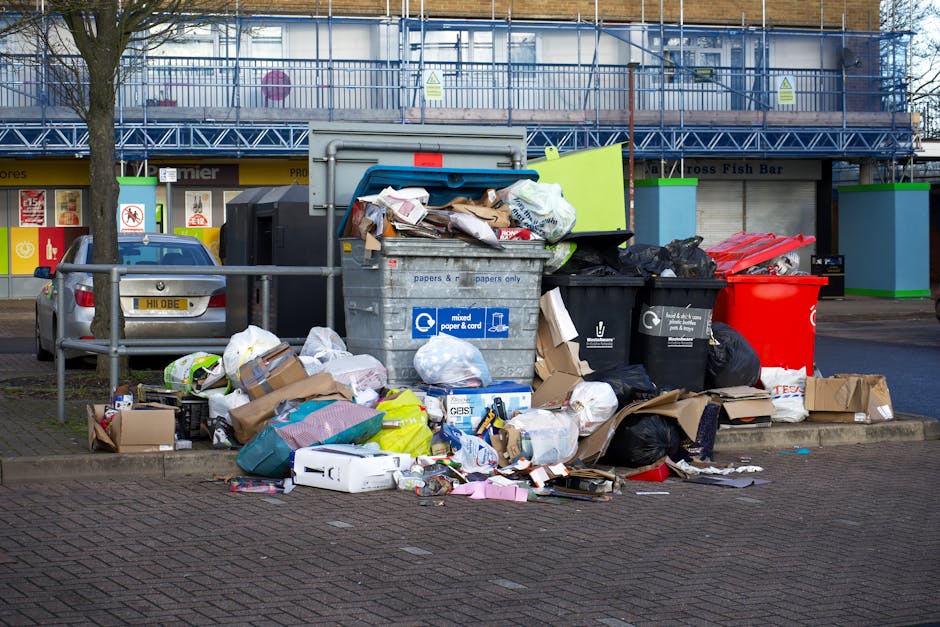
If you are dealing with a sudden pile-up of waste, a missed collection, a last-minute move, or a clearance job that has got out of hand, emergency rubbish collection for Hampton Court residents can be the difference between a stressful day and a clean reset. There is nothing glamorous about bin bags in the hallway, broken furniture in the driveway, or builders' debris building up after a job that was meant to finish yesterday. Truth be told, most people only start looking for urgent rubbish removal when time is already tight.
This guide walks through how emergency rubbish collection works, when it makes sense, what to expect, and how to choose the right approach without wasting time or money. You will also find practical steps, a comparison table, and a no-nonsense checklist you can use straight away.
Why emergency rubbish collection for Hampton Court residents Matters
Urgent waste problems usually happen at the worst possible time. A sofa is blocking the hall before new tenants move in. A garden clearance has uncovered more than expected. A garage has become a sort of accidental museum for broken furniture, old paint tins, and boxes nobody wants to touch. If you live in or around Hampton Court, the pressure can feel even sharper because access, parking, shared driveways, and narrow residential streets can make a simple collection a bit more complicated than it first appears.
Emergency rubbish collection matters because waste does not just look messy. It can create odours, attract pests, block access, and slow down everything else you are trying to do. For homeowners, landlords, letting agents, tradespeople, and local businesses, a quick response keeps the property usable. It also helps avoid the awkward situation where rubbish starts spreading from one space into three. It happens faster than people expect. One bag becomes five. Then there is a broken chest of drawers leaning against the wall, and, well, the whole place suddenly feels smaller.
In practice, emergency rubbish removal is about restoring control. Not perfection, just control. You want the waste gone safely, legally, and without creating another problem in the process.
How emergency rubbish collection for Hampton Court residents Works
Most urgent collections follow a fairly simple pattern. You describe the waste, the location, the access, and the timeframe. A collection provider then decides whether it can be handled as a same-day visit, a next-day booking, or a more standard removal slot. The good ones will ask practical questions up front, because that saves everyone time later.
Here is what usually gets covered during the booking stage:
- Type of waste: general household rubbish, bulky items, garden waste, builders' waste, or something more specialised.
- Volume: a few bags, a van load, or a larger clearance that may need a skip, grab hire, or multiple operatives.
- Access: stairs, narrow entrances, basement flats, controlled parking, or restricted loading space.
- Urgency: same day, evening, early morning, or a fixed appointment around work or handover times.
- Sorting needs: items that can be donated, recycled, or must be disposed of separately.
Once booked, the collection team normally arrives, loads the waste, and takes it away for sorting and disposal. Depending on the mix of materials, some items may go to recycling streams and others to licensed disposal facilities. If the job is more involved, a provider may recommend a different service such as rubbish removal, man and van, or grab hire services rather than simply sending a team with one vehicle and hoping for the best. That sort of judgement call matters.
For larger loads, especially building-related rubbish, people sometimes compare emergency collection with same-day skip hire or even a wait and load skip hire option. Each method has strengths. The right one depends on access, timing, and how much material you actually need to clear.
Key Benefits and Practical Advantages
The biggest benefit is simple: speed. But that is only the obvious part.
- Fast relief from clutter: A clear space is easier to work in, easier to clean, and far less stressful to look at.
- Less disruption: If you are moving out, hosting guests, completing a refit, or getting a property ready to let, time matters.
- Safer access: Rubbish stacked in hallways, gardens, or shared areas can cause trips and block routes.
- Better handling of mixed waste: Professionals can separate recyclable materials and avoid mixing items that should not go together.
- Less back-and-forth: You avoid multiple car trips to a local facility, which is especially handy if the waste is bulky or heavy.
- More confidence: A properly managed collection lowers the risk of fly-tipping, improper disposal, or awkward complaints from neighbours.
There is also a quiet practical gain people do not always mention: mental breathing room. A cluttered room has a way of nagging at you every time you walk past it. Clear it, and you can think again. Small thing, big effect.
If your waste is tied to property clearance, renovation, or a business changeover, having one reliable collection point can make the rest of the job easier. For example, a household clear-out may pair neatly with house clearance, while a renovation might be better served by builders waste removal or construction waste clearance.
Who This Is For and When It Makes Sense
Emergency rubbish collection for Hampton Court residents is not just for major disasters. It is for everyday situations that suddenly need dealing with properly and quickly.
It tends to make sense for:
- Homeowners dealing with a sudden clear-out, repairs, or bulky items that cannot wait.
- Renters who need to vacate a property without leaving behind unwanted waste.
- Landlords and letting agents turning over a property between tenancies.
- Tradespeople needing fast removal of leftover materials after a job.
- Local businesses clearing stock, packaging, office items, or old fixtures.
- Families handling a garage, loft, shed, or garden clear-out on a tight schedule.
Sometimes the trigger is obvious: a moving deadline, a blocked entrance, or a mound of waste after a rainy weekend DIY push. Other times it is less dramatic. Maybe you just cannot ignore the pile any longer, and you need the place sorted before Monday. Fair enough. That is exactly when same-day or urgent collection can save a lot of hassle.
For mixed domestic loads, a broader service such as domestic skip hire can be worth considering if you expect more waste to appear over a day or two rather than all at once. If the load includes awkward household items, mattress and sofa disposal or fridge and appliance removal may be more efficient than trying to handle each item separately.
Step-by-Step Guidance
If you want the process to run smoothly, a few deliberate steps make all the difference. Nothing fancy. Just sensible preparation.
- Identify the waste clearly. Separate general rubbish from anything potentially hazardous, electrical, heavy, sharp, or wet.
- Estimate the amount. Think in bags, item counts, or room areas. "A couple of bits" usually turns into more by the time the team arrives.
- Check access. Can a vehicle reach the property? Is there space to park? Are there stairs, gates, or narrow paths?
- Choose the right service type. A small household clearance is different from builders' rubble or mixed commercial waste.
- Prepare the load. Put items where they can be collected quickly, but do not move anything unsafe on your own.
- Ask about sorting and disposal. Good operators should be able to explain where your waste will go and how recyclable materials are handled.
- Confirm timing. Same-day jobs often depend on crew availability and access. A clear arrival window helps.
- Keep the route clear. This sounds basic, but it saves time and reduces the chance of damage in hallways, gardens, or shared spaces.
If you are not sure whether a job is small enough for a quick removal or large enough to need a skip, compare it against skip sizes and prices. That can make the decision much clearer. And if you are working with bulky waste that needs to go fast, skip hire or skip permits may be relevant, especially if the skip has to sit on the public road.
One small but useful habit: take photos before you book. Not because anyone wants a dramatic waste album, but because it helps with quotes, access planning, and avoiding surprises. Simple, but effective.
Expert Tips for Better Results
After enough clearances, you start to notice the same patterns. A few small decisions make the whole process cleaner and faster.
- Group items by type before the crew arrives. Keep cardboard, wood, metal, and general rubbish separate if you can. It speeds up sorting and can improve recycling outcomes.
- Be honest about the volume. Understating the amount can lead to delays or a second visit. Nobody wants that at 4.30 p.m. on a Friday.
- Flag awkward access early. Tight corners, gravel driveways, basement steps, and controlled parking are all better mentioned upfront.
- Set aside anything you want to keep. A rushed clear-out can lead to accidental losses. Put valuables, documents, and sentimental items somewhere safe first.
- Choose the right method for the waste type. Large bulky items, mixed renovation waste, and light household rubbish may each suit a different collection method.
- Ask about recycling and sustainability. A good provider should be clear about how waste is processed, not vague or hand-wavy.
If you are clearing a property after a long build-up, services such as garage and loft clearance or site clearance can be more suitable than a basic one-off collection. In our experience, the best jobs are the ones where the customer has already done the simple sorting. It saves time, money, and a lot of mildly awkward shuffling around.
And a tiny local-life tip: on busy days around Hampton Court, traffic and parking can complicate collection times more than people expect. Build in a little breathing room if your deadline matters. You will thank yourself later.
Common Mistakes to Avoid
The most common errors are not dramatic, just expensive or time-consuming. A bit annoying, really.
- Waiting until the last minute: If you need access cleared for a move, letting rubbish pile up until the final hour is asking for stress.
- Booking the wrong service: A tiny collection can become inefficient if the waste is mixed with heavy builders' material, or vice versa.
- Ignoring restricted items: Hazardous or specialist waste often needs separate handling.
- Not checking permit needs: If a skip is going on the road, permits can matter. Do not assume they are automatic.
- Forgetting access details: A van cannot magically fit where it cannot fit. Slightly disappointing, I know.
- Leaving everything unsorted: This slows the process and can reduce what gets recycled.
- Using unlicensed disposal routes: Cheap is never cheap if the waste ends up causing a problem later.
People also underestimate how much bulky waste weighs. A wardrobe, broken sofa, and a pile of damp garden waste can be far more effort than they look. If the load includes awkward or specialised items, it is often smarter to use a targeted service rather than trying to force a general collection to do everything at once.
Tools, Resources and Recommendations
You do not need fancy equipment for most urgent waste jobs, but a few practical tools help. Think of this as the sensible kit list rather than a shopping spree.
- Heavy-duty gloves: Useful for sorting and moving light items safely.
- Dust sheets or tarps: Handy if you want to protect floors or keep items contained before collection.
- Clear bin bags: Good for separating general rubbish from recyclables.
- Basic labels or marker pens: Helpful when several people are helping with a clear-out.
- Phone photos: Very useful for getting an accurate quote and explaining access.
- Measuring tape: Surprising how often this saves confusion when dealing with furniture or clearance access.
For different waste types, these related services may be worth comparing:
- garden waste removal for branches, cuttings, soil, and seasonal debris.
- hazardous waste disposal for materials that should not go in general rubbish.
- office clearance for desks, chairs, paperwork, and workplace waste.
- garage and loft clearance for long-ignored household storage spaces.
If your priority is keeping the footprint down, it can also help to ask about recycling and sustainability. That is not just a nice extra. It is often a sign the provider is organised, modern, and actually thinking about where waste goes, not just how fast it leaves the driveway.
Law, Compliance, Standards, or Best Practice
Waste disposal in the UK should always be handled carefully and lawfully. You do not need to become a legal expert overnight, but you do need to avoid casual mistakes. The broad principle is simple: waste should be collected, transported, and disposed of responsibly by a suitable operator.
For residents, the practical best-practice points are usually these:
- Use a reputable provider: Ask how waste is handled and where it goes.
- Separate hazardous items: Paints, chemicals, batteries, certain electricals, and similar materials may need special treatment.
- Check permit needs for roadside skips: If waste is placed on the public highway, a permit may be required.
- Keep documentation where appropriate: If the waste is from a business or renovation, records can be useful.
- Do not leave waste where it could become a nuisance: Shared access routes and pavements need to stay safe.
For commercial jobs, extra care is sensible. Office materials, confidential papers, and trade waste each have their own handling expectations. For example, confidential shredding may be relevant where paperwork disposal needs to be handled properly, while commercial skip hire can work better for ongoing business waste.
If you are unsure about the right route, ask direct questions. Who will collect it? Is the waste sorted? Is the vehicle licensed? What happens if the load contains mixed material? Straight answers are a good sign.
Options, Methods, or Comparison Table
Different urgent waste problems call for different solutions. Choosing the right one is mostly about access, speed, volume, and the type of rubbish involved.
| Option | Best for | Strengths | Watch-outs |
|---|---|---|---|
| Emergency rubbish collection | Quick removal of mixed household or bulky waste | Fast, convenient, minimal effort for the customer | May be less suitable for very large or ongoing waste volumes |
| Man and van | Smaller loads, flexible pick-ups, awkward items | Useful for access-heavy jobs and one-off clear-outs | Can be less efficient for larger building waste |
| Same-day skip hire | DIY waste, renovation debris, larger mixed loads | Handy if you need to fill waste over several hours | Space, permit, and access issues may apply |
| Wait and load skip hire | Sites with limited parking or short loading windows | Quick turnaround without leaving a skip on site | Requires the waste to be ready to load promptly |
| Grab hire | Large volumes of rubble, soil, or construction waste | Efficient for heavy bulk material | Needs suitable access and is not ideal for small light loads |
For many Hampton Court homes, the easiest choice is not the biggest vehicle or the fastest headline. It is the option that fits the access and the actual waste. That is often where people save the most stress.
If you want to compare organised waste removal approaches before committing, skip hire, grab lorry hire, and man and van each solve a slightly different problem. There is no universal winner.
Case Study or Real-World Example
Here is a realistic example. A homeowner near Hampton Court has guests arriving on Saturday and suddenly notices the side return is full of old shelving, broken planters, two flat-pack wardrobes, and several sacks of garden waste that have been sitting there after a long spring clear-up. The weather has turned damp, the wood is starting to swell, and the back gate is awkwardly blocked. Not ideal.
They need the waste gone before the weekend, but the access is tight and the job includes mixed materials. In this sort of case, a quick assessment can save a lot of wasted effort. A basic skip might work if the access allows it, but if parking is limited or the customer wants the area cleared the same day, a removal team or wait-and-load option may be the better fit.
The practical win here is not just removal. It is timing. The client avoids guests stepping around a cluttered path, the garden looks presentable again, and the waste is handled without the owner making four car journeys or trying to break down furniture in the rain. Nobody enjoys doing that. Not even a little.
This is also where related services can come into play. If the waste is mostly garden material, garden waste removal may be enough. If it expands into mixed household clutter, house clearance or garage and loft clearance may be the cleaner answer.
Practical Checklist
Use this checklist before you book. It will save you time, and probably a few headaches too.
- Identify the waste type: household, garden, builders', commercial, or mixed.
- Estimate volume as accurately as you can.
- Check whether any items are hazardous, electrical, or specialist.
- Measure access points, stairways, and vehicle space.
- Decide whether you need same-day collection, skip hire, or a more flexible option.
- Separate anything you want to keep before the team arrives.
- Take photos if the job is complex or access is tight.
- Ask how recycling and disposal will be handled.
- Confirm timing and arrival expectations.
- Make sure the route to the waste is clear and safe.
If you are dealing with a more specialised job, it can help to review service-specific options such as builders skip hire, construction waste disposal, or demolition waste removal. Matching the method to the waste is half the battle.
Conclusion
Emergency rubbish collection for Hampton Court residents is really about restoring normal life quickly and safely. Whether you are clearing after a move, dealing with bulky household waste, or trying to get a property presentable before a deadline, the best outcome comes from choosing the right removal method and giving the team clear information from the start.
Keep the waste type, access, and urgency in mind. Compare options honestly. Ask practical questions. And do not wait until the pile becomes impossible to ignore. A little planning goes a long way, even when the job feels urgent.
If you want a fast, straightforward next step, speak to a local waste removal team, share a few photos, and get the right solution lined up before the mess spreads any further.
Get a free quote today and see how much you can save.
Sometimes the nicest part is simply walking back into a clear space and feeling the room breathe again. That moment is worth it.
Frequently Asked Questions
What counts as emergency rubbish collection?
It usually means a fast-response rubbish removal service arranged at short notice, often for same-day or next-day collection. It is used when waste needs clearing urgently because of a move, repair, event, business need, or access issue.
How fast can rubbish be collected in Hampton Court?
That depends on vehicle availability, the size of the load, access, and the type of waste. Small jobs can sometimes be handled the same day, while larger or more complex clearances may need a fixed appointment window.
Is emergency rubbish collection more expensive than standard removal?
Often, yes, because urgent scheduling can require faster turnaround and more flexible staffing. The final cost depends on the volume, waste type, labour involved, and whether access makes the job more difficult.
Can I put everything into one urgent collection?
Not always. General rubbish, bulky furniture, garden waste, builders' debris, and hazardous materials may need different handling. Mixing everything together can slow the process and may not be suitable for disposal.
Do I need a skip permit for emergency waste removal?
If you are using a skip and it will sit on public road space, a permit may be needed. That is separate from the waste collection itself, so it is worth checking early if access is tight.
What should I do before the collection team arrives?
Sort the waste as much as possible, clear a route to the items, move anything you want to keep, and make sure access points are open. A couple of photos can also help if the job is unusual.
Can emergency rubbish collection handle heavy items like sofas and appliances?
Yes, many services can handle bulky household items such as sofas, mattresses, fridges, and other appliances. Some items may need specialist handling, especially if they contain gases, electrical components, or other regulated materials.
Is same-day skip hire better than rubbish removal?
It depends on the job. Skip hire is often better for ongoing DIY or renovation waste. Rubbish removal can be better for a fast, hands-off clearance where you want the waste loaded and taken away quickly.
How do I know if a provider is trustworthy?
Ask clear questions about disposal, recycling, transport, and access. A reliable provider should explain how the waste will be handled and give practical advice rather than vague promises. Straight answers matter here.
What happens to the waste after collection?
It is usually taken to a transfer station, sorting facility, recycling centre, or licensed disposal site, depending on the material. Recyclable items are separated where possible, and unsuitable waste is disposed of responsibly.
Can emergency rubbish collection help after a landlord or tenant handover?
Yes. It is a common use case, especially where furniture, general rubbish, or leftover belongings need to be removed quickly so the property can be cleaned, inspected, or re-let.
What if my waste includes hazardous items?
Say so before booking. Hazardous items should not be mixed with general rubbish unless the provider confirms they can handle them safely. If unsure, keep them separate until you get proper advice.
Does emergency rubbish collection work for businesses as well as homes?
Absolutely. Offices, shops, and other local businesses often need fast waste clearance for fit-outs, closures, stock changes, and day-to-day operational issues. Commercial loads may need a different service from domestic waste.
What is the best first step if I need urgent waste cleared today?
Take a quick photo of the waste, note access details, estimate the volume, and ask for the most suitable urgent option. That gives you the best chance of getting a fast and accurate response without delays.